












From the series “Acoustics and Insulation—Trends and Solutions 2026”
In recent years, acoustics has evolved from an “invisible add-on” to a full-fledged design element. Today, acoustic comfort is considered on par with ergonomics, lighting, and aesthetics, and developers increasingly expect solutions that not only improve the acoustic performance of interiors but also enhance their visual character. As highlighted in one of DPS’s earlier articles: “Architects and developers are increasingly treating acoustics not as an afterthought, but as an integral functional and aesthetic element of the design.”
DPS solutions—PVC stretch membranes, Trendero textiles, and DPS Mirror panels—fit perfectly into this trend. They combine the ability to shape acoustic comfort with modern design and flexibility in layout, allowing the solutions to be tailored to the character of nearly any interior.
Stretched Materials—Sound Absorption Technology in an Elegant Form
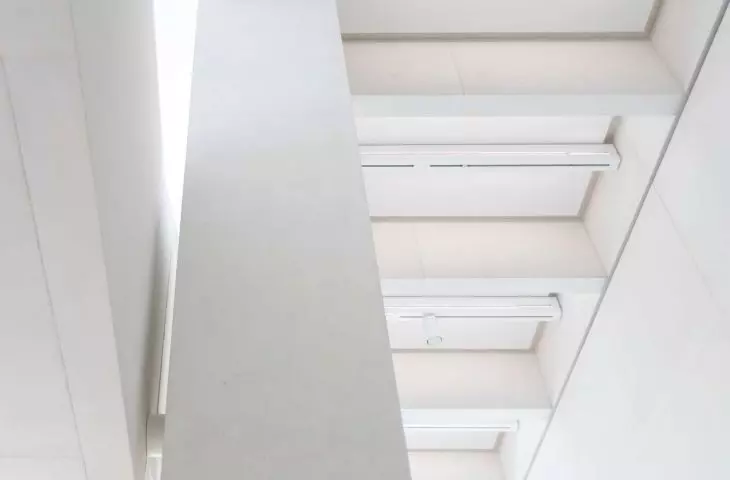
Micro-perforated tensioned membranes offer an advanced and flexible solution for reducing reverberation in contemporary interiors. Their operation is based on the properties of sound waves and the interaction of several system components. The thin, tensioned surface reacts to changes in sound pressure, while the microperforations allow sound energy to penetrate to the layer of sound-absorbing material located behind it.
Unlike traditional acoustic panels, tensioned systems can form an integral part of a ceiling or wall, providing great design flexibility and an aesthetically pleasing surface finish.
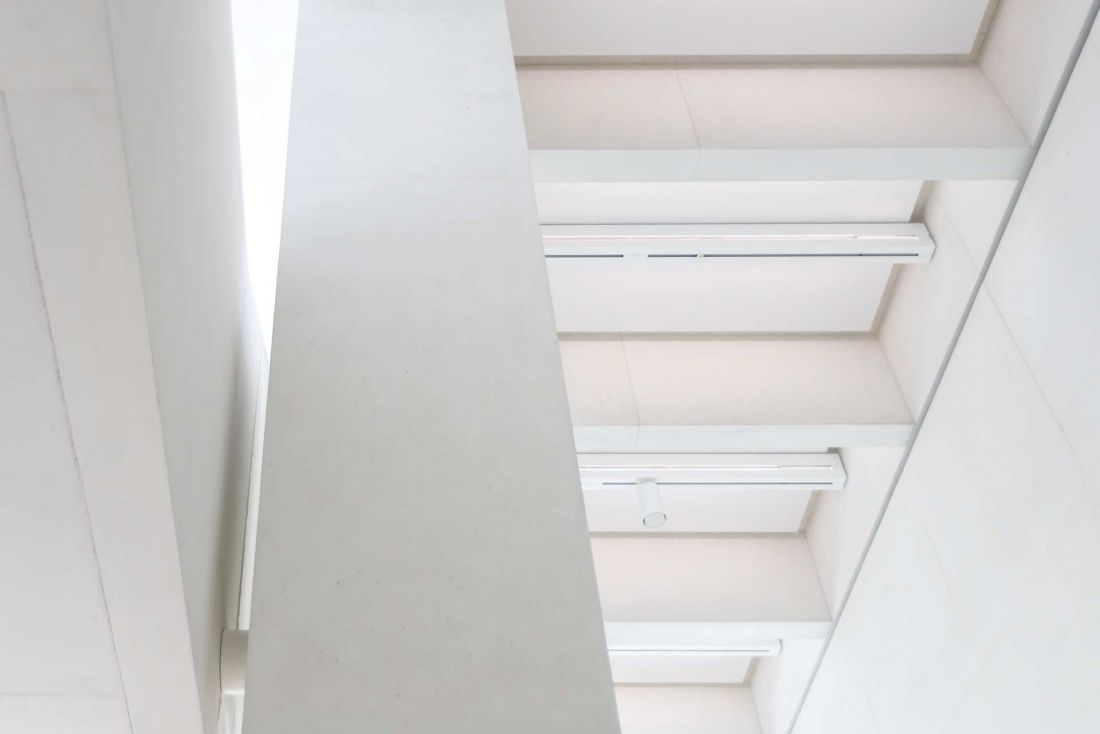
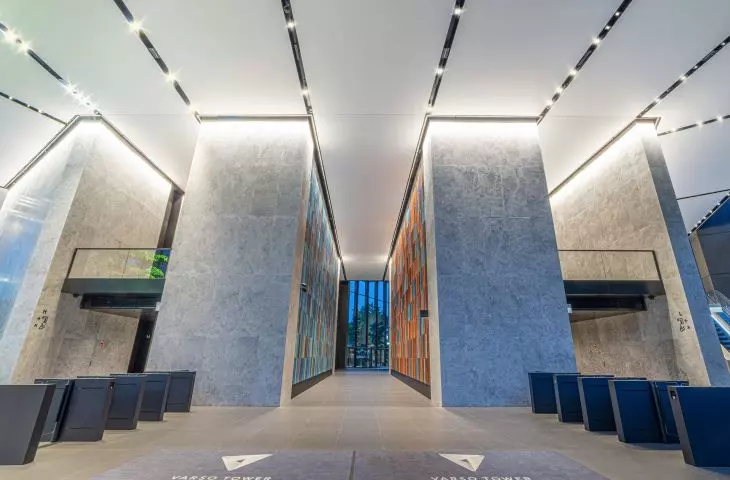
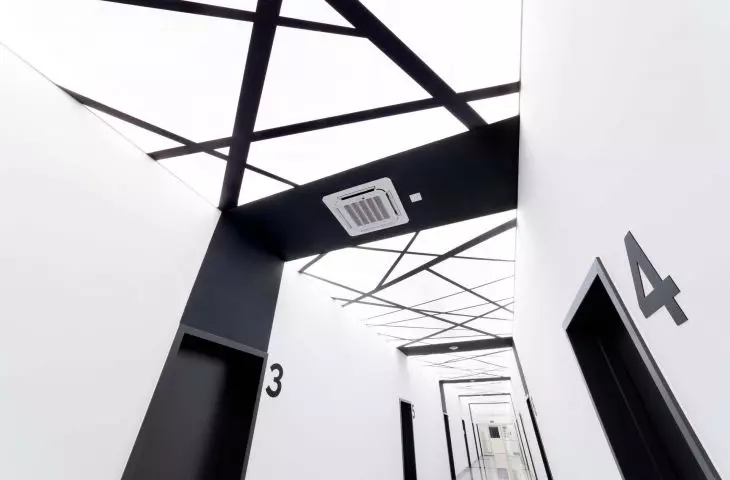
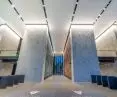
Photo of projects implemented by the DPS Group
© DPS
The effectiveness of sound absorption depends on the proper selection of parameters for the entire system. The diameter of the perforations affects the system’s acoustic characteristics and the frequency range in which it achieves the best results. The thickness and density of the absorber are important for sound absorption, including lower frequencies, which can be particularly challenging to control in offices, schools, and conference rooms. The distance between the tensioned surface and the absorptive layer, as well as the inclusion of an air gap, also affect the acoustic properties of the entire solution.
Thanks to this design, DPS tensioned systems allow for the combination of improved acoustics with high aesthetic value. The surfaces can be backlit, printed on, and finished in various ways, including matte, satin, or mirror finishes. In this way, acoustics ceases to be merely a hidden technical element and becomes a deliberately designed part of the interior composition.
One of the versatile systems used in offices, schools, conference rooms, and educational spaces is an 80-mm-deep system based on a micro-perforated coating ( Ø 0.15 mm ) with a 50-mm-thick layer of mineral wool at a density of 37 kg/m³. A properly designed system can provide broadband sound absorption, reducing reverberation in the high- and mid-frequency ranges, as well as in part of the low-frequency range.
The result is a more acoustically comfortable space, improved speech intelligibility, and a reduction in the nuisance caused by background noise—one of the major problems in modern interiors.
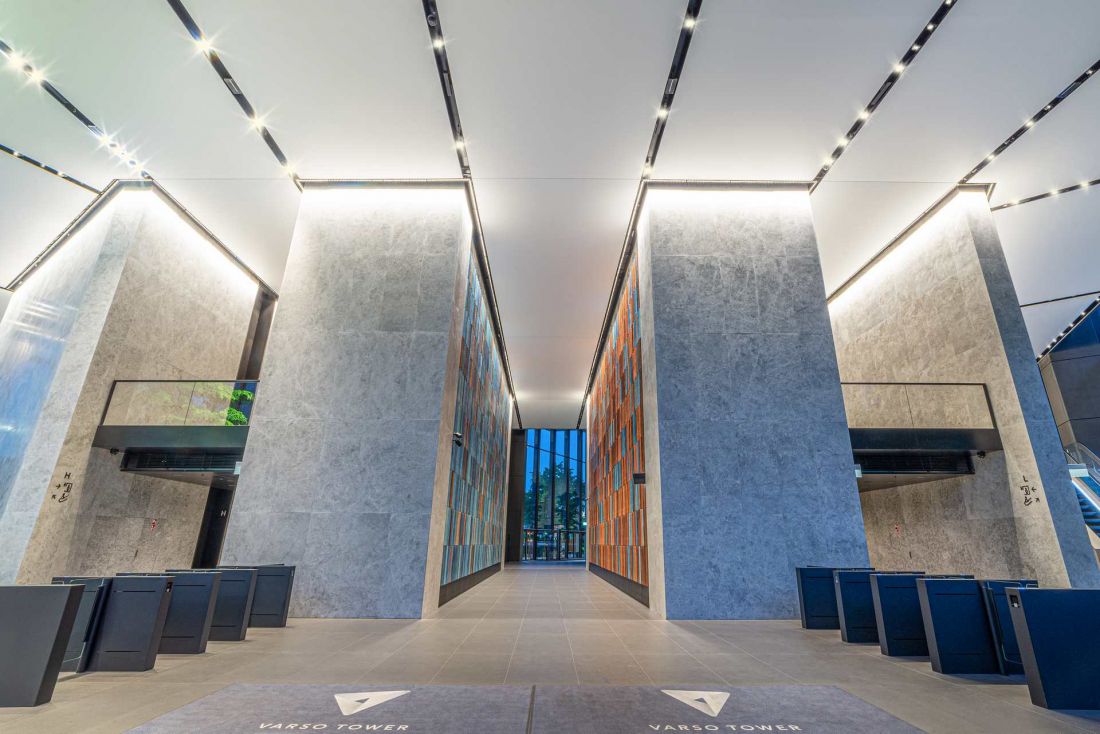
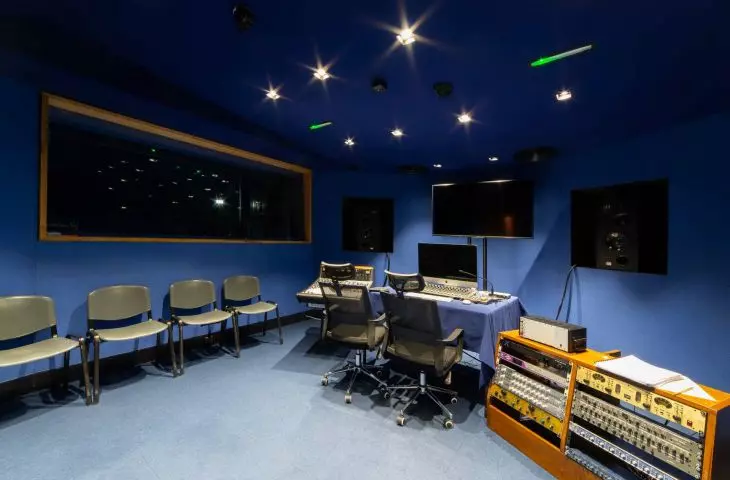
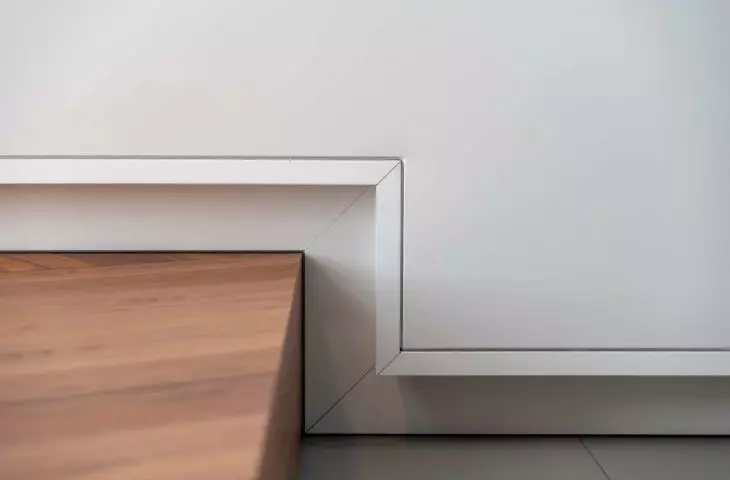
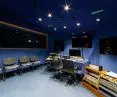
Photo of DPS Group’s solutions in action
© DPS
Resonator systems—precise control of mid-frequencies
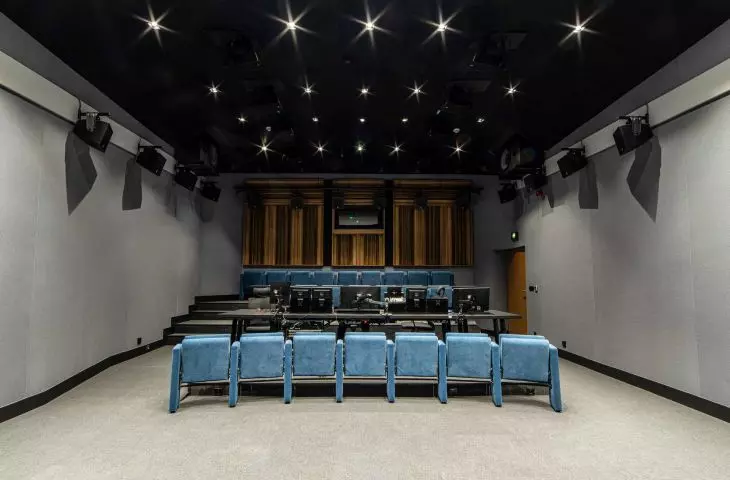
In rooms requiring special control of acoustic conditions, such as recording studios, listening rooms, or multimedia spaces, multilayer systems can be used. In such solutions, the acoustic absorber works in conjunction with two DPS tensioned surfaces, separated by an air gap.
A properly designed resonant system increases sound absorption within a selected frequency range. Mid-range frequencies are particularly important here, as they are crucial for speech intelligibility and listening quality.
Such solutions give designers the ability to more precisely shape a room’s acoustic properties without the need for heavy and bulky systems. At the same time, they help maintain the coherence of the interior design and an aesthetically pleasing finish.
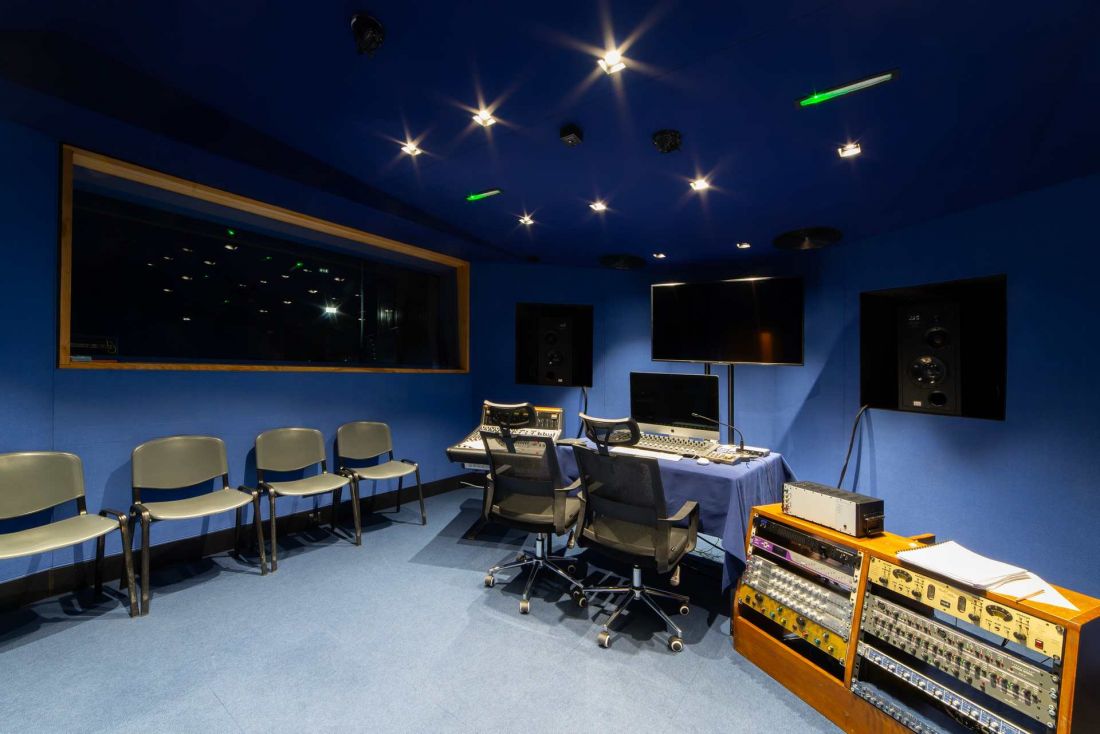
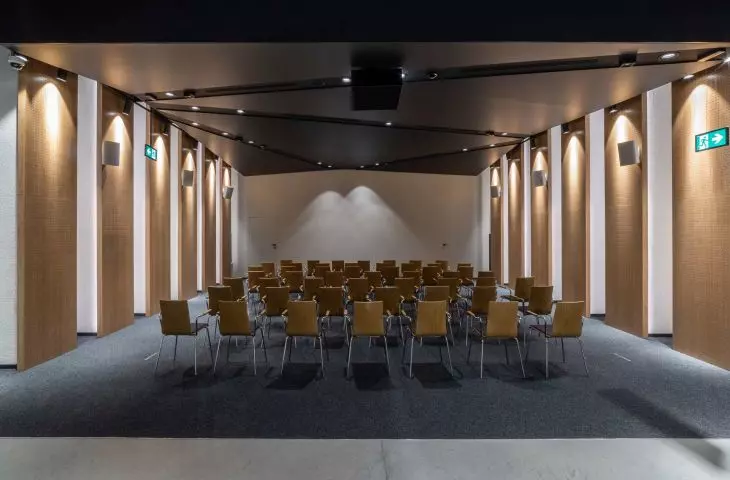
Photo of DPS Group’s project implementation
© DPS
Trendero Textiles—Seamless Elegance and Effective Reverberation Reduction
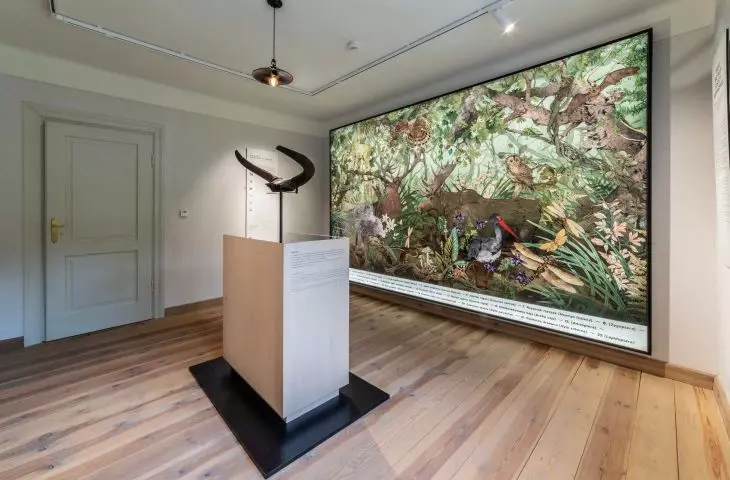
Trendero and Trendero W2W textile surfaces are designed for interiors where acoustic comfort and the aesthetics of large surfaces are equally important. These solutions allow for the creation of uniform wall and ceiling surfaces, minimizing the visibility of seams and providing great design flexibility.
Their key advantages include:
-
Seamless structure —the ability to finish even very large wall and ceiling surfaces.
-
High sound absorption efficiency —especially when used in combination with a 40-mm-thick mineral absorber.
-
Quick and clean installation —facilitating project completion and minimizing the inconvenience associated with finishing work.
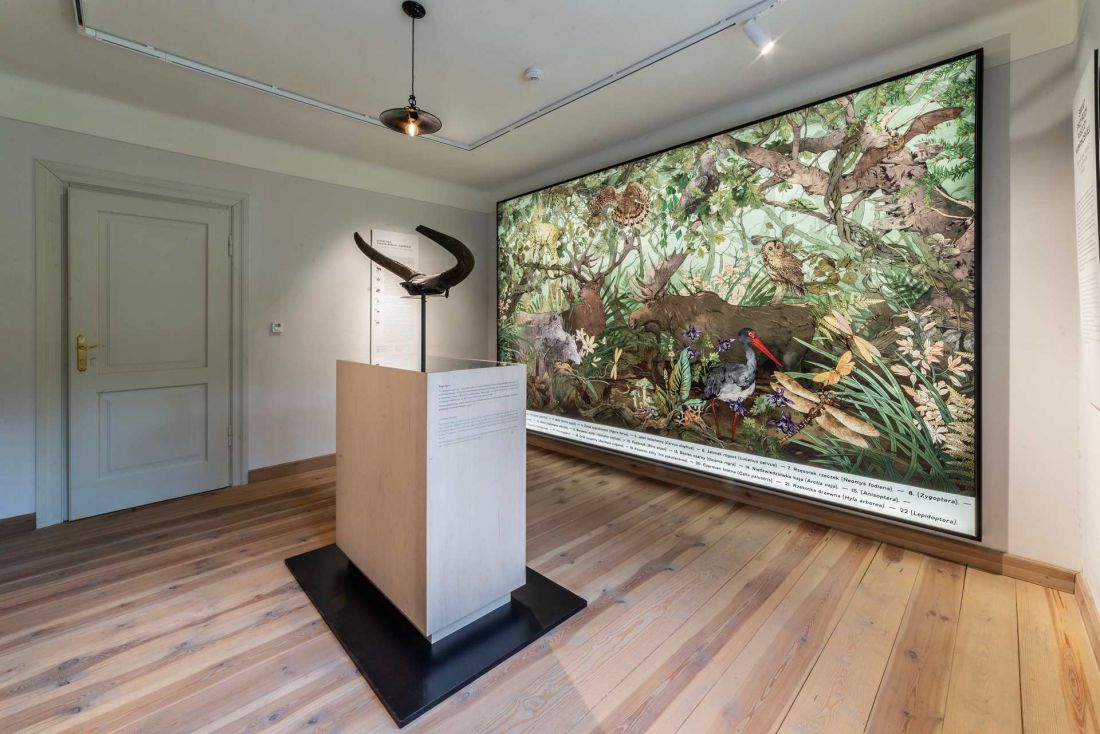
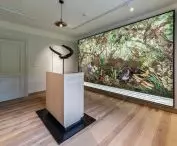
Photo of a project using DPS Group solutions
© DPS
The TR085 Classic Voice and TR086 Dark Voice fabrics are available in white and black, respectively. The white version can also be custom-printed.
This allows the textile acoustic systems to be adapted to various architectural concepts—from modern offices and hotels to restaurants, conference rooms, museums, and private offices and living rooms.
DPS Mirror Acoustic – a mirrored surface that absorbs sound
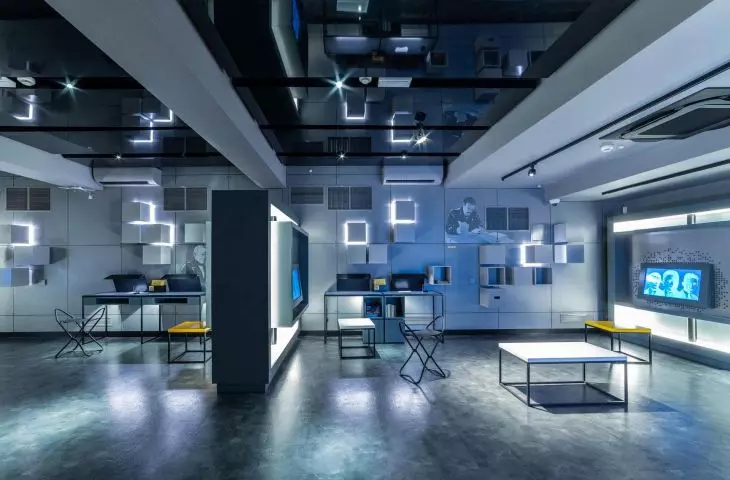
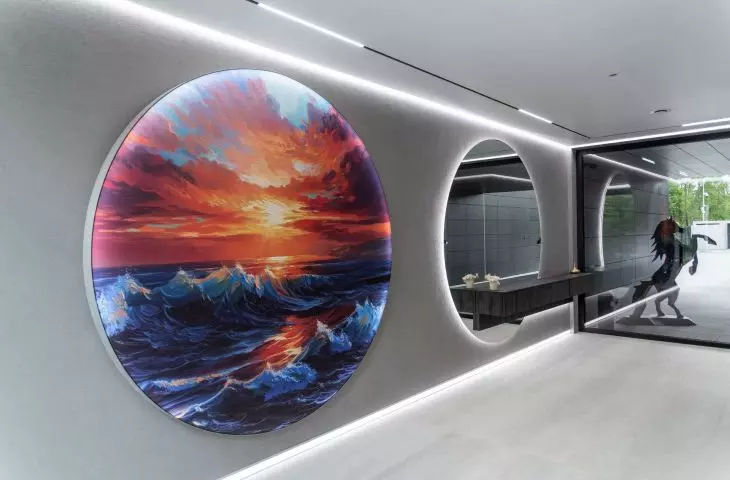
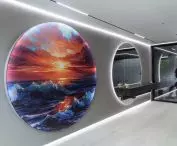
DPS Mirror Acoustic panels combine a decorative effect with acoustic functionality. The mirrored surface visually enlarges the space, lends it elegance, and highlights the character of the interior design, while the absorber located behind it helps reduce reverberation in areas requiring localized acoustic correction.
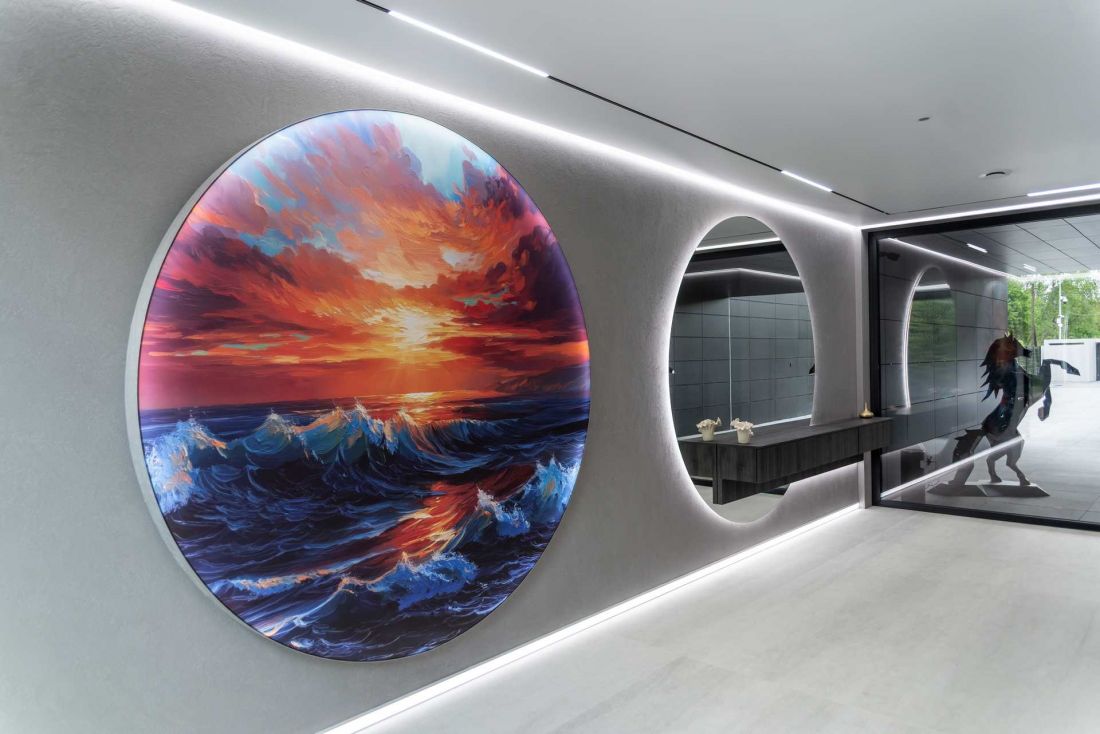
Photo of DPS Group solutions in action
© DPS
This solution is particularly appealing to designers who want to achieve a striking visual effect without sacrificing functionality. The panels allow you to introduce a decorative element into the interior that simultaneously enhances acoustic comfort.
Integrating Acoustics with Lighting and Design—A New Design Standard
DPS tensioned membranes fit perfectly into the concept of multifunctional architectural surfaces. Thanks to their thin profile, flexibility, and customization options, they can combine various design elements: light, sound, color, texture, and graphics.
An acoustic surface no longer needs to be merely a technical element. It can become an integral part of the interior’s design, influencing both its functional parameters and visual appeal.
Integration options include:
-
Backlighting of tensioned surfaces —allows for a soft, diffused lighting effect and combines lighting functionality with an acoustic solution.
-
Graphic printing —allows for the incorporation of visual identity elements, illustrations, or decorative motifs, enabling the surface to support brand communication.
-
DPS Mirror finish – combines a decorative reflective effect with sound-absorbing properties.
-
Compositions with Trendero textiles – allow for the creation of multi-layered arrangements with varied visual and acoustic effects.
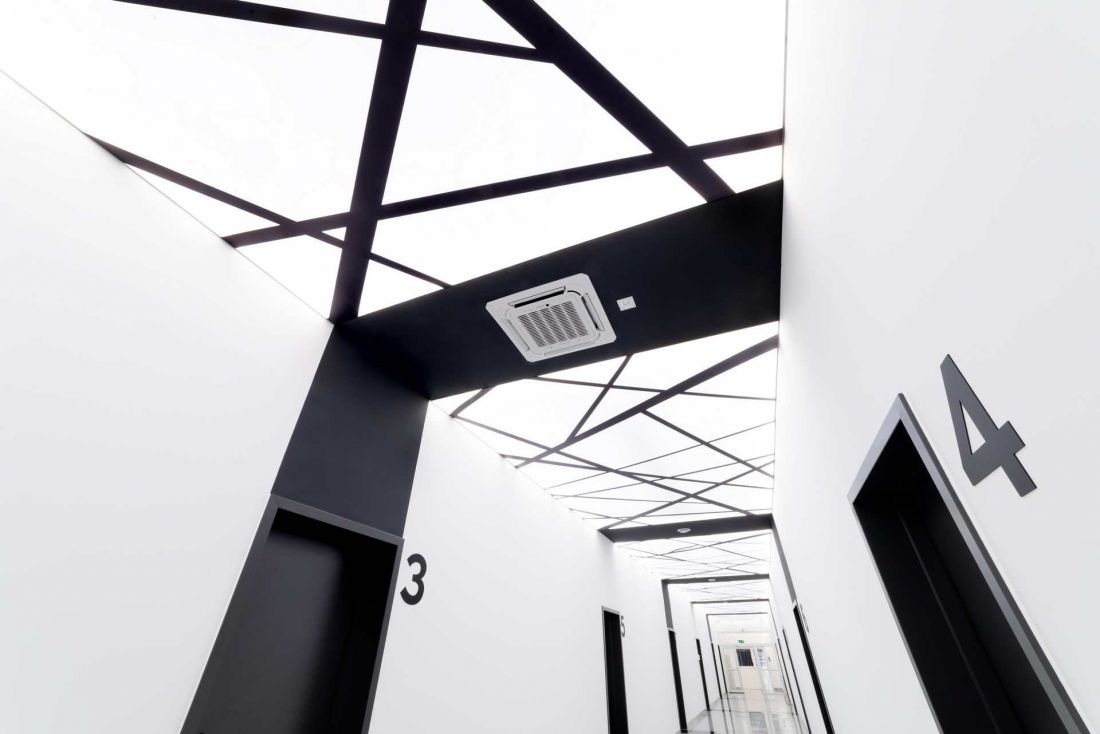
Photo of DPS Group solutions in action
© DPS
Thanks to these possibilities, acoustics becomes a visible and deliberately planned element of the design. It can be treated as an integral part of the interior finish, just as important to the overall experience as color schemes, lighting, or spatial proportions.
The result is spaces that not only meet functional requirements but also create positive user experiences—from a prestigious hotel lobby, through a comfortable office environment, to multimedia spaces where the quality of sound and image reception is paramount.
Practical Applications of DPS Systems—Where Do They Work Best?
DPS acoustic solutions can be adapted to a variety of functions and design requirements.
-
Offices and open-plan spaces —reducing reverberation and background noise, promoting concentration, and improving conditions for conversations.
-
Conference rooms and educational spaces —enhancing speech intelligibility and controlling reverberation.
-
Recording studios and multimedia spaces —shaping the acoustic characteristics of rooms while meeting listening requirements.
-
Hotels, restaurants, and lobbies —combining acoustic comfort with the decorative character of the interior, thanks in part to the DPS Mirror and Trendero solutions.
-
Private homes – use in home offices, living rooms, and home theaters, where acoustic comfort and a cohesive aesthetic are key.
The selection of a specific system should take into account the room’s purpose, its volume, the type of finish, and the desired acoustic and visual effect.
BIM as a design tool—the DPS digital library at your fingertips
The DPS Group makes BIM models of its solutions available on its company profile on the Architektura i Biznes platform. This makes it easier for architects and designers to incorporate DPS systems as early as the concept development and technical documentation stages.
The models may include information regarding:
-
acoustic parameters,
-
finish options,
-
cross-sections of individual systems,
-
technical data and installation systems.
Access to digital models streamlines interdisciplinary coordination, facilitates the verification of adopted solutions, and helps better prepare for the project implementation process. This is particularly important in larger projects, where the precision of the documentation and efficient collaboration among construction process participants influence the course of the entire project.
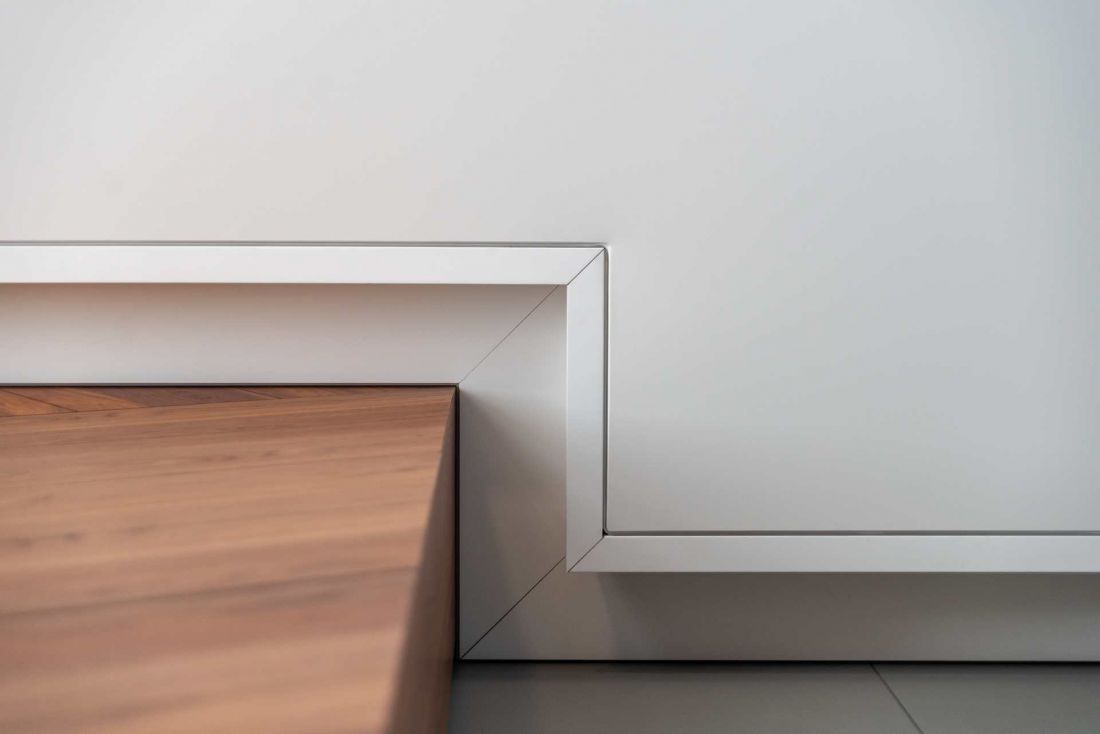
Photo of DPS Group’s project implementation
© DPS
Summary
DPS acoustic systems demonstrate that acoustic comfort can go hand in hand with aesthetics, and that technical solutions can become an integral part of the architectural concept.
Micro-perforated tensioned membranes, Trendero textiles, and DPS Mirror panels offer a wide range of possibilities for shaping interior acoustics, designing cohesive layouts, and integrating lighting and graphics. They allow you to adapt a space to its function without sacrificing the project’s unique character.
In 2026, acoustics remains a key element of thoughtful design. The growing importance of user comfort means that solutions combining functionality, technology, and aesthetics are becoming an essential part of contemporary architecture. DPS systems address these needs by offering designers the tools to create spaces that sound great and look just as good.
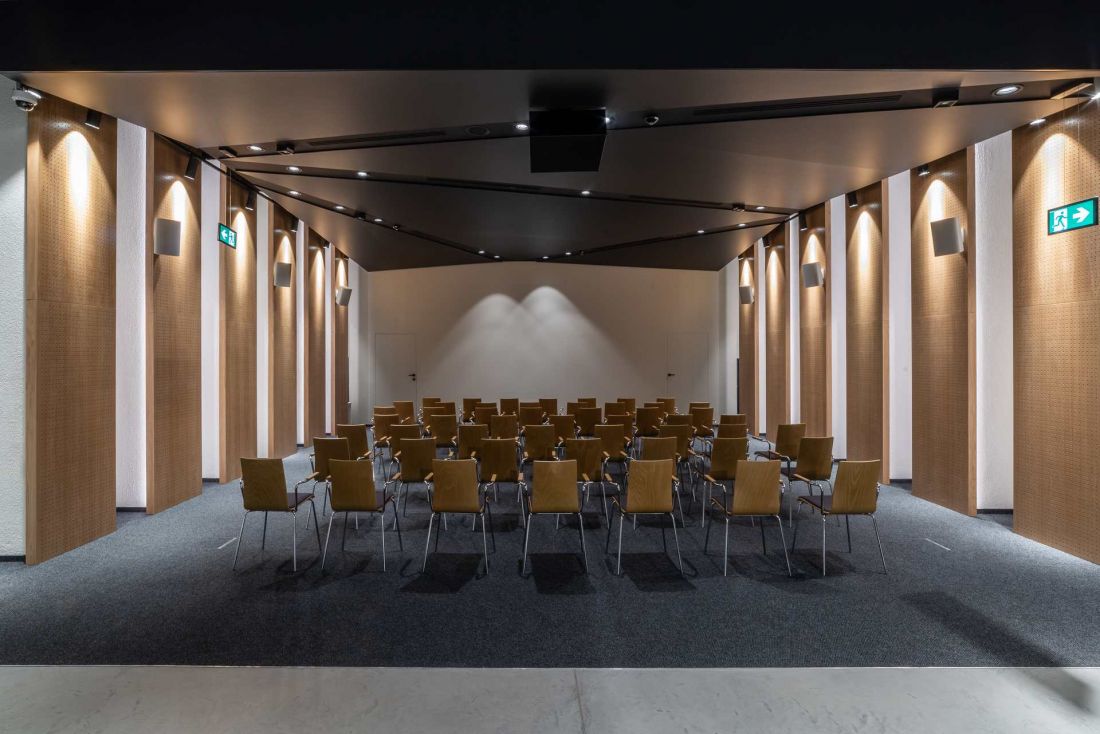
Photo of DPS Group solutions in action
© DPS
For more information, visit the {tag:Manufacturer} company page on the PdA portal.